Introduction
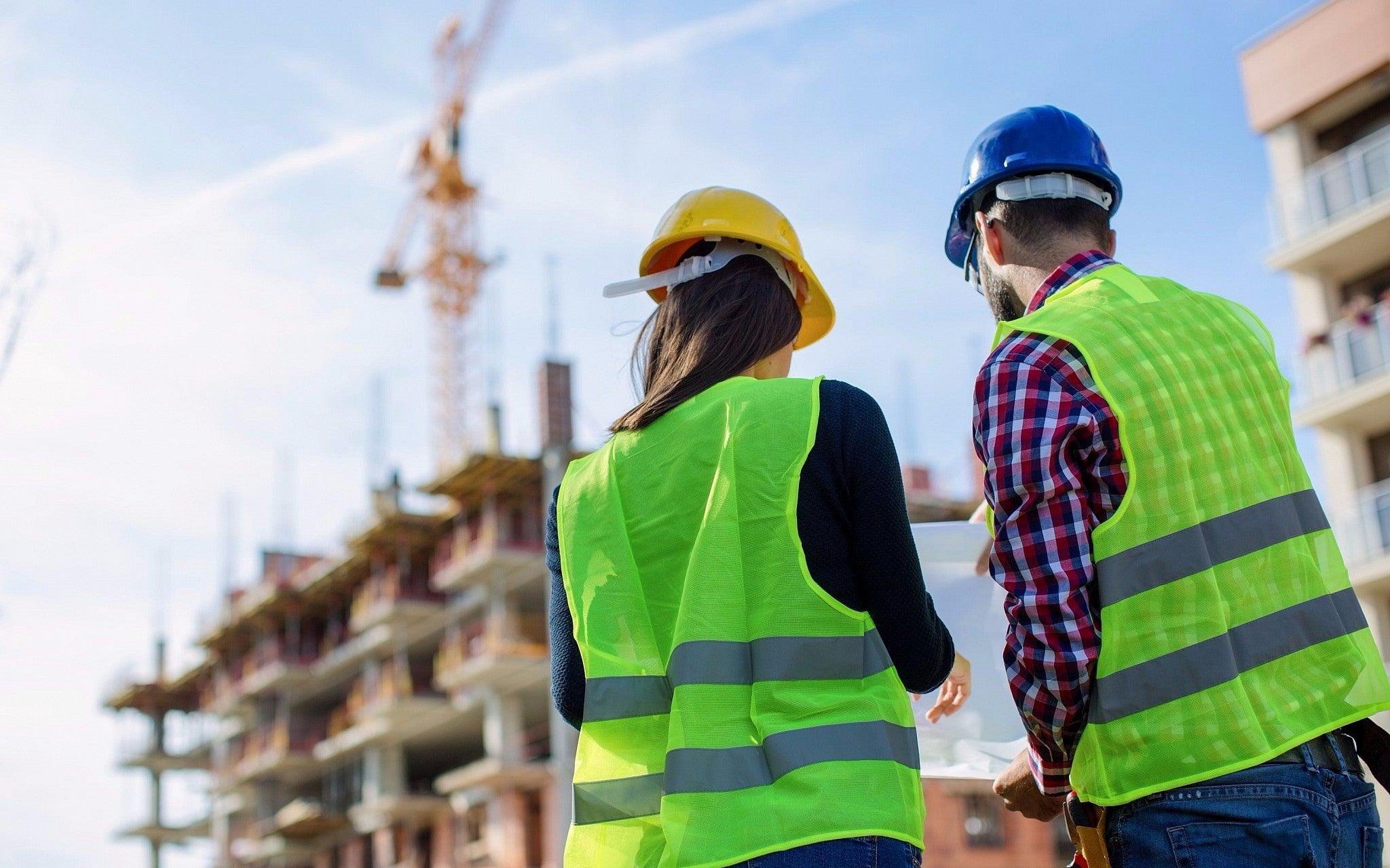
Launching a new construction project is an exciting yet complex undertaking that comes with a unique set of responsibilities, none more important than ensuring the safety of every individual on-site. With construction sites ranking among the most hazardous work environments globally, having the right safety measures in place from the very beginning is critical. A well-prepared safety equipment checklist not only helps maintain compliance with local laws and international standards, but also significantly reduces the likelihood of accidents, injuries, and delays.
This blog presents a comprehensive safety equipment checklist designed specifically for new construction projects. Whether you’re managing a large-scale urban development or a residential build, equipping your site with the right tools and gear will foster a secure, efficient, and legally compliant work environment.
Essential Personal Protective Equipment (PPE)
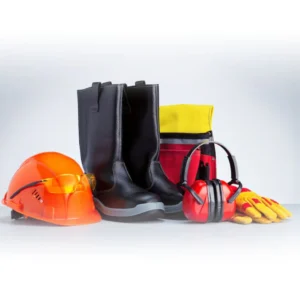
Personal Protective Equipment is the frontline defense against job-site injuries. Each role on a construction site carries specific risks, and equipping workers accordingly can mean the difference between a near miss and a catastrophic injury.
1. Safety Helmets
One of the most basic yet essential items, safety helmets protect workers from falling objects, debris, and potential head trauma. Helmets should be ANSI or ISI certified and suited to the type of work being done, especially for high-risk areas like scaffolding, demolition, or overhead electrical work.
2. Safety Shoes
Foot protection is vital in environments with sharp objects, heavy equipment, and slippery surfaces. Steel-toe or composite-toe boots that are puncture-resistant and have slip-proof soles are a must for construction personnel.
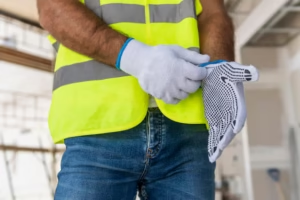
3. High-Visibility Safety Jackets
Especially important for workers operating around vehicles or machinery, these jackets improve visibility during both day and night shifts. Reflective vests or jackets with fluorescent colors help prevent collisions and miscommunication in busy work zones.
4. Gloves
Depending on the task, be it welding, concreting, or handling hazardous materials, different gloves are required. Ensure workers have access to cut-resistant, chemical-resistant, or heat-resistant gloves as needed.
5. Eye and Face Protection
Construction activities like grinding, cutting, or welding produce flying particles and sparks that can injure the eyes or face. Safety goggles, face shields, and welding helmets should be readily available and used consistently.
6. Hearing Protection
Noise levels on construction sites often exceed safe thresholds. Earmuffs or earplugs should be provided to workers operating near jackhammers, heavy vehicles, or other loud machinery.
7. Respiratory Protection
Dust, fumes, and harmful chemicals are common on many sites. Depending on exposure levels, dust masks or more advanced respirators (like N95 or half-face masks) should be used.
On-Site Safety Systems and Tools
Beyond personal protective gear, certain systems and tools must be in place to ensure overall site safety. These items form the backbone of a proactive safety infrastructure.
1. Fire Safety Equipment
Construction projects often involve flammable materials, electrical work, and welding, all of which increase fire risks. Every site should be equipped with:
- Fire extinguishers suitable for different fire types (Class A, B, C)
- Fire blankets in key locations
- Fire alarm systems and clearly marked emergency exits
Regular fire drills and training on using these tools can prevent disaster when seconds count.
2. First Aid Kits
Accidents, however minor or major, require immediate attention. A fully stocked first aid kit should be accessible in multiple locations across the site and include:
- Bandages, antiseptics, and pain relievers
- Burn ointments and eye wash
- CPR mask and gloves
It’s also crucial that designated first-aid responders are trained and available during work hours.
3. Safety Signage and Barricades
Clear, well-placed signs help workers and visitors navigate safely. Use signage for:
- Hazard warnings (electrical, slippery surfaces, etc.)
- Entry restrictions (e.g., PPE-required areas)
- Emergency routes and assembly points
Barricades, cones, and caution tape should be used around excavation zones, heavy machinery, or freshly poured concrete.
4. Fall Protection Systems
Falls are the leading cause of fatalities in construction. Sites working at height must include:
- Guardrails and safety nets
- Harnesses and lifelines
- Scaffolding that meets safety regulations
Inspection of these systems before each use is mandatory to ensure reliability.
5. Tool Safety Equipment
Ensure all tools and machinery are used and stored safely. This includes:
- Lockout/tagout systems for electrical tools
- Ground-fault circuit interrupters (GFCIs)
- Secure storage boxes to prevent misuse or theft
Routine inspections and maintenance schedules are essential to keep tools safe and effective.
Conclusion
In any construction project, safety is the foundation upon which success is built. A detailed safety equipment checklist not only protects workers but also ensures smooth operations, regulatory compliance, and long-term credibility for the contractors involved.
While this checklist offers a solid starting point, each project should tailor its safety protocols based on the specific scope of work, local safety regulations, and environmental conditions. It’s not just about ticking off items, it’s about creating a culture where safety is valued, practiced, and enforced daily.
Using the right safety equipments at the right time can prevent avoidable injuries, increase productivity, and foster a positive work environment. From helmets and harnesses to warning signs and first aid, every item has a role to play in keeping construction sites secure.
After all, no deadline is worth risking a life. Prioritize safety from day one, and your project will be built on more than just bricks and steel it will stand strong on trust, responsibility, and care.