Introduction
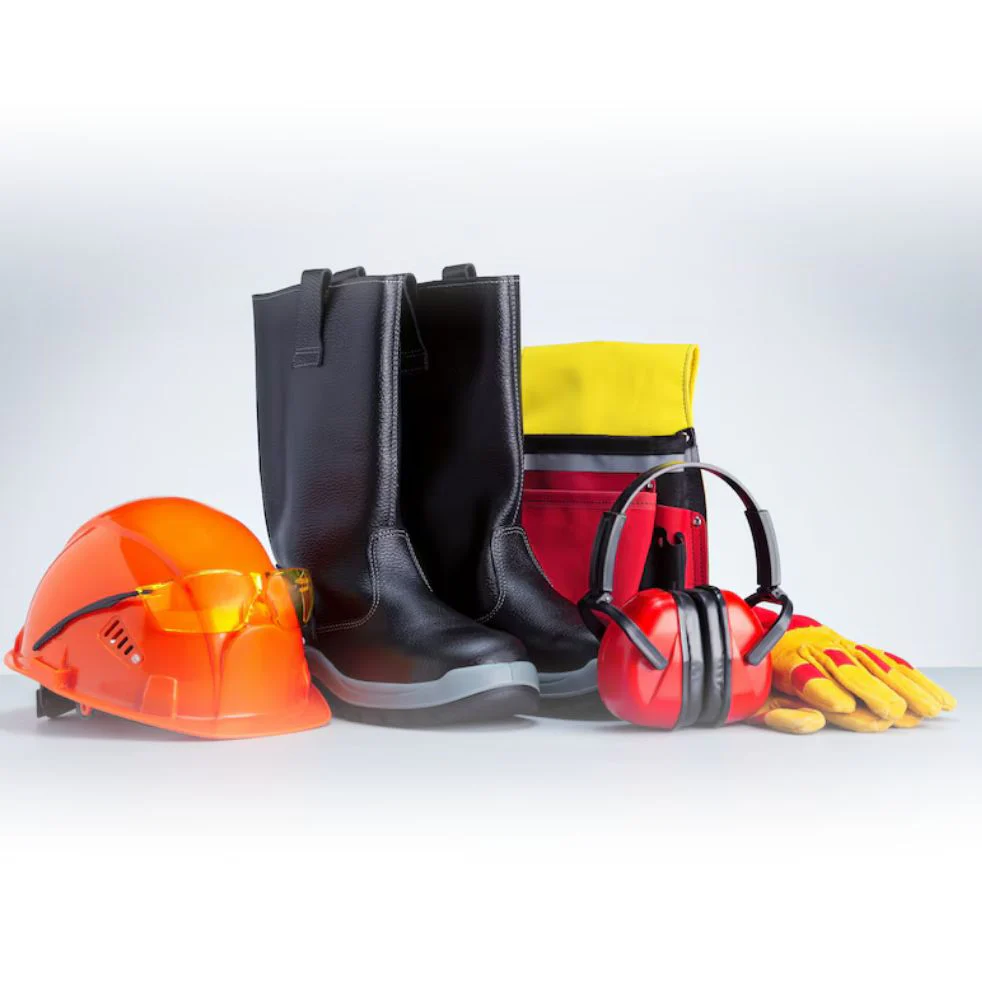
Workplace safety relies heavily on the condition and reliability of personal protective gear. From helmets and gloves to jackets and shoes, safety equipment serves as the first line of defense against hazards. However, simply owning and using these protective tools is not enough. Regular inspection and proper maintenance are essential to ensure they continue to perform effectively. Faulty gear not only undermines protection but can also put workers at serious risk. In this blog, we’ll explore how to inspect and maintain your safety equipments to maximize their performance, extend their lifespan, and keep your workplace compliant with safety regulations.
Why Inspection Matters
Regular inspection is crucial because safety gear is constantly exposed to wear and tear, environmental conditions, and unexpected impacts. A helmet that looks fine on the outside may have cracks inside, or a pair of gloves may have tiny tears that compromise protection. The purpose of inspection is to identify damage before it leads to accidents. It’s about being proactive rather than reactive.
Some key reasons why inspections are critical:
- Early Damage Detection: Identifying cracks, frays, or wear in equipment helps prevent injuries.
- Compliance with Standards: Many industries require periodic inspection to meet OSHA or ISO safety standards.
- Cost Savings: Catching small issues early can prevent complete replacement, saving money in the long run.
- Confidence for Workers: Knowing their equipment is in proper condition gives workers peace of mind.
Heading 1: How to Inspect Safety Equipment Effectively
Inspections should be systematic and thorough. Each piece of protective gear has its own points of vulnerability, and workers should be trained to recognize them.
1. Safety Helmets
Check for cracks, dents, and signs of UV damage on the shell. Inspect the suspension system for frayed straps or loose adjustments. Replace helmets immediately if they’ve experienced a heavy impact, even if no visible damage is present.
2. Safety Gloves
Examine gloves for holes, cuts, or thinning areas, especially on the fingertips and palm. For chemical-resistant gloves, check for discoloration or stiffness that could indicate chemical degradation.
3. Safety Shoes
Look for worn-out soles, damaged toe caps, or loose stitching. Anti-slip features should be tested on suitable surfaces, and insoles should be checked for comfort and support.
4. Safety Jackets and Vests
Inspect reflective strips for fading and ensure zippers or Velcro closures function properly. Check the overall fabric for tears, which can reduce visibility or insulation.
5. Respiratory and Hearing Protection
Examine respirators for cracks, clogged filters, or worn-out straps. Ear protection devices like earmuffs or plugs should be checked for wear and hygiene.
Inspection Checklist Example:
- Exterior damage or cracks
- Functionality of fasteners and straps
- Cleanliness and hygiene
- Signs of wear or fading
- Expiration dates (where applicable)
By maintaining a checklist system, companies can ensure inspections are consistent and comprehensive.
Heading 2: How to Maintain Safety Equipment Properly
Maintenance goes hand in hand with inspection. Taking care of safety gear ensures it remains effective for longer and reduces the chances of failure in critical moments.
1. Cleaning and Storage
- Helmets and Jackets: Clean with mild soap and water, avoiding harsh chemicals that can degrade materials. Store away from direct sunlight to prevent UV damage.
- Gloves: Wash or replace depending on type. Leather gloves require conditioning, while disposable gloves must be discarded after single use.
- Shoes: Regularly clean mud, grease, or chemicals from soles. Store in dry, cool conditions to prevent mold.
2. Scheduled Replacements
Every piece of safety equipment has a shelf life. Helmets, for example, should typically be replaced every 3 to 5 years, depending on manufacturer recommendations. Gloves, shoes, and jackets should also be replaced when wear becomes evident.
3. Training and Awareness
Workers should be trained not only to use safety gear but also to inspect and maintain it. Awareness programs can encourage workers to take ownership of their protective gear, reducing neglect.
4. Record Keeping
Maintain logs of inspections, repairs, and replacements. This helps track equipment life cycles and demonstrates compliance during audits.
5. Professional Servicing
Some equipment, such as harnesses or respirators, may require periodic servicing by professionals to maintain certification and compliance.
Conclusion
Inspection and maintenance of safety equipments are not optional but essential for ensuring workplace safety and compliance. A cracked helmet, a torn glove, or a worn-out shoe can mean the difference between a near-miss and a life-threatening injury. By implementing systematic inspection protocols, proper cleaning, timely replacements, and record-keeping, companies can extend the lifespan of their gear and safeguard workers effectively.
Ultimately, investing time and effort into inspecting and maintaining protective gear is an investment in worker safety, productivity, and peace of mind. In environments where risks are part of daily operations, well-maintained safety gear is not just a requirement but a responsibility.