Introduction
Industrial workplaces are inherently filled with potential hazards, whether it’s heavy machinery, high temperatures, chemical exposure, or the risk of falling objects. To ensure the well-being of employees and to maintain operational efficiency, proper safety equipment is essential. The right gear not only prevents injuries but also helps companies comply with legal regulations and avoid costly downtime. With advancements in technology, modern protective gear has evolved to be more comfortable, efficient, and durable.
In this blog, we explore the top 10 must-have safety equipment pieces that are crucial for maintaining a secure and compliant industrial work environment.
1. Safety Helmets
Protecting the head is one of the most important aspects of industrial safety. Safety helmets (also known as hard hats) are designed to guard against falling objects, bumps, and electrical hazards. Advanced helmets now come with added features such as adjustable suspension systems, chin straps, visors, and reflective stickers for better visibility. Helmets should comply with international standards such as ANSI, ISI, or EN to ensure reliable protection.
2. Safety Glasses and Face Shields
Eye protection is a necessity in environments involving cutting, welding, grinding, or working with chemicals. Safety glasses shield the eyes from debris, dust, and chemical splashes. For tasks that involve high-risk exposure, full face shields offer comprehensive protection for both the eyes and the face. Some designs also include anti-fog and UV-protective lenses to maintain clear visibility during long shifts.
3. Ear Protection (Earplugs and Earmuffs)
Excessive noise is a common hazard in factories, foundries, and construction zones. Prolonged exposure can lead to irreversible hearing damage. Earplugs are ideal for moderate noise environments, while earmuffs are better suited for higher decibel levels. Many workplaces now use electronic earmuffs that reduce harmful noise but still allow for communication between workers.
4. Respiratory Protection
Inhaling hazardous dust, fumes, or chemicals can lead to serious respiratory issues over time. Depending on the industry, employees may require basic dust masks, half-face respirators, or full-face respirators. In highly toxic environments, supplied-air respirators or self-contained breathing apparatus (SCBA) may be necessary. Respiratory gear should be selected based on the specific airborne hazards present in the workspace.
5. Safety Gloves
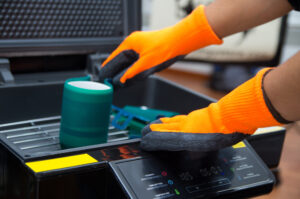
Hands are particularly vulnerable during industrial work. Safety gloves come in a wide range of types, each suited for different hazards, cut-resistant gloves for handling sharp materials, heat-resistant gloves for working near furnaces, and chemical-resistant gloves for handling corrosive substances. A proper fit and flexibility are crucial for comfort and performance.
6. Protective Clothing
Depending on the job, full-body protection may be needed. Flame-retardant clothing is used in welding and foundry work, while chemical suits protect against hazardous spills. High-visibility vests and jackets are crucial for workers operating in low-light conditions or busy traffic zones. Good protective clothing should be breathable, durable, and compliant with relevant safety standards.
7. Safety Shoes
Foot protection is vital in any industrial setting. Safety shoes come with features such as steel or composite toe caps, puncture-resistant soles, and slip-resistant treads. Specialized shoes are also available for electrical insulation or protection from molten metal. Investing in the right pair of shoes can prevent sprains, fractures, and other foot-related injuries.
8. Fall Protection Gear
For jobs involving heights, such as scaffolding, roofing, or tower climbing, fall protection equipment is mandatory. This includes full-body harnesses, lanyards, self-retracting lifelines, and anchorage systems. Proper fall protection gear not only prevents accidents but also boosts worker confidence when performing high-risk tasks.
9. First Aid Kits and Emergency Showers
Even with the best protective measures, accidents can happen. A well-stocked first aid kit is essential for treating minor injuries on the spot. In industries involving chemical handling, emergency showers and eyewash stations should be installed nearby for immediate decontamination. Regular inspection and easy accessibility are key to the effectiveness of these safety measures.
10. Safety Signage and Communication Tools
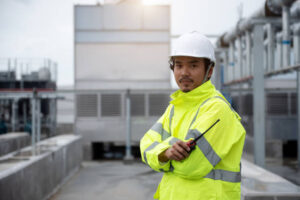
Clear communication can prevent many accidents before they happen. Safety signage alerts workers to hazards, mandatory equipment, or restricted areas. Additionally, communication devices like two-way radios are vital in large industrial plants for quick coordination and emergency response. Safety posters and training visuals further reinforce workplace safety culture.
Conclusion
An industrial workplace is only as safe as the precautions it takes. The safety equipment outlined above is not just about compliance, it’s about showing that an organization values its people and their well-being. From head to toe, each piece of protective gear plays a role in creating a safe, efficient, and legally compliant environment.
As industries continue to innovate, safety equipment will evolve too, becoming smarter, more comfortable, and more effective. However, choosing the right gear and maintaining it regularly is equally important. Whether you’re an employer outfitting your team or a worker selecting your personal PPE, always prioritize quality, fit, and functionality.
Stay safe. Work smart. Invest in protection that lasts.
.