Introduction
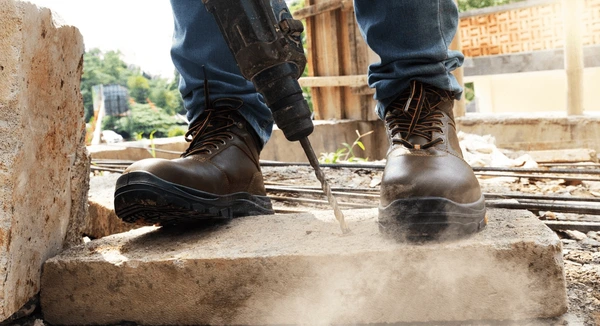
Gone are the days when work boots were just heavy leather shells meant to cover your feet. Today, the world of industrial footwear has evolved into something truly remarkable, blending science, engineering, and ergonomics into a single pair of shoes. Modern safety shoes are no longer only about durability; they’re built with cutting-edge technology designed to protect workers while maximizing comfort and productivity.
From shock-absorbing soles to anti-static linings and breathable materials, every part of these shoes serves a precise purpose. Industries like construction, manufacturing, logistics, and oil & gas now rely on advanced footwear to minimize risk and enhance worker performance. Let’s step inside the hidden technology of these shoes and understand how innovation has transformed a once-basic piece of workwear into a sophisticated safety device.
The Evolution from Basic Protection to Smart Performance
A few decades ago, the concept of workplace footwear was simple, to make it tough and hope it lasts. Early designs were mostly steel-toe boots with limited flexibility and ventilation. While they provided basic protection from falling objects, they often sacrificed comfort and mobility. However, as industrial workplaces became more diverse and safety standards more demanding, footwear manufacturers began integrating modern materials and technologies into their designs.
1. Lightweight and Strong Materials
Modern safety shoes use advanced materials such as thermoplastic polyurethane (TPU), Kevlar, and carbon fiber instead of traditional steel and rubber. These materials offer equal (or even greater) strength while being significantly lighter. This not only reduces fatigue but also improves mobility which is an essential factor for workers who spend long hours on their feet.
2. Breathability and Moisture Control
One of the biggest challenges for workers, especially in hot climates, is maintaining comfort. Today’s designs incorporate moisture-wicking linings, mesh fabrics, and micro-perforated layers to allow air circulation. Some even include antimicrobial insoles that prevent odor and bacterial growth, ensuring hygiene and comfort throughout the workday.
3. Enhanced Cushioning Systems
Borrowing from sports shoe technology, many safety footwear brands now include shock-absorbing midsoles made from EVA foam or gel inserts. These reduce the impact on joints and lower back, improving posture and reducing fatigue over time. This technological leap has made safety footwear not just protective gear, but an essential component of worker wellness.
4. Slip and Puncture Resistance
To prevent workplace injuries caused by slips or sharp debris, soles are now engineered using advanced tread designs and puncture-resistant plates made from composite materials. These ensure that workers can move confidently even on oil, wet floors, or uneven terrain.
In short, the modern safety shoe is a marvel of functional design, protecting the user while ensuring they stay agile, comfortable, and confident.
Smart Technology Integration – The Future Is Already Here
The safety footwear industry isn’t just improving traditional features but also embracing digital innovation. With smart sensors and wearable tech entering the industrial space, the next generation of safety shoes goes beyond passive protection.
1. Embedded Sensors for Real-Time Monitoring
Some advanced footwear models come with built-in pressure and motion sensors that track worker posture and movement. These sensors can detect if a worker has fallen, overexerted, or entered a restricted zone. When integrated with a company’s safety system, they can send instant alerts to supervisors which will potentially save lives in emergencies.
2. Temperature and Fatigue Detection
Innovative shoe prototypes now include thermal sensors that monitor foot temperature, ensuring that workers in extreme conditions (like steel plants or freezers) maintain optimal health. Similarly, fatigue-monitoring features analyze gait and pressure distribution, alerting the wearer to take breaks before exhaustion sets in.
3. Energy Harvesting and Smart Connectivity
Imagine charging small devices just by walking. Some new designs explore kinetic energy harvesting the converting walking motion into electrical energy that powers small trackers or lights. In hazardous zones or during night shifts, these self-powered systems can improve visibility and communication without additional power sources.
4. Sustainable Manufacturing
The technology hidden in safety footwear isn’t limited to functionality but extends to eco-conscious design. Brands are increasingly using recycled materials, biodegradable insoles, and sustainable production methods. This not only reduces the carbon footprint but also aligns with the growing global movement toward greener industrial practices.
5. Custom-Fit and Ergonomic Mapping
Using 3D scanning and digital foot mapping, manufacturers now produce footwear tailored to individual foot shapes. This custom-fit approach minimizes pressure points and improves support, drastically reducing the risk of chronic injuries or fatigue-related accidents.
With such advancements, it’s clear that the line between protective gear and wearable technology is blurring. These innovations are reshaping what safety means in the workplace, turning each pair of shoes into an intelligent, responsive, and essential piece of personal protection.
Conclusion
In the modern industrial landscape, safety is no longer just about wearing protective gear; it’s about integrating technology that adapts to human needs and work conditions. The hidden technology inside today’s safety footwear has turned a once-ordinary item into a piece of advanced engineering. The one that enhances protection, comfort, and even productivity.
Whether through smart sensors, energy-efficient materials, or personalized fit systems, the evolution of workplace footwear reflects a broader shift in industrial safety. From reactive measures to proactive prevention. For businesses, investing in advanced protective gear means fewer injuries, greater employee morale, and improved efficiency.
For workers, it means stepping into every shift with confidence, knowing their feet, and by extension, their safety are supported by cutting-edge innovation. The next time you lace up a pair of modern protective shoes, remember: you’re not just wearing footwear; you’re stepping into a finely tuned blend of science, comfort, and security which is the true future of workplace protection.