Introduction
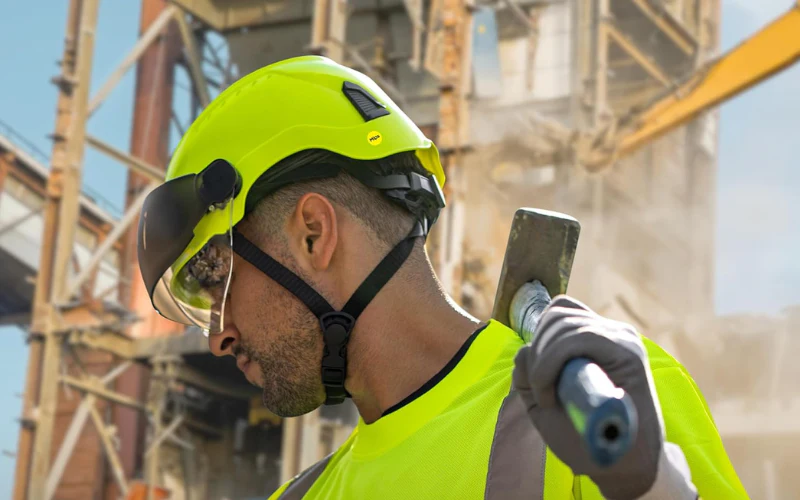
On any construction site, factory floor, or industrial workplace, head protection is non-negotiable. A single blow to the head can cause devastating injuries, making helmets one of the most essential pieces of personal protective equipment. However, wearing a helmet isn’t enough, wearing it correctly is what ensures maximum protection. Even the most advanced helmet can fail to do its job if it’s loose, tilted, or improperly secured. Understanding how to choose and wear a safety helmet the right way can be the difference between safety and vulnerability.
Why the Right Fit Matters
A helmet is designed to absorb impact and reduce the risk of injury by distributing force across its structure. But if it’s not properly fitted, its effectiveness drops significantly. A loose helmet may slip off during a fall, while one that’s too tight can cause discomfort and headaches, discouraging workers from wearing it at all.
The right fit ensures stability. When you bend, climb, or operate machinery, your helmet should stay firmly in place without shifting. It should sit level on your head, covering the forehead without obstructing vision. Proper fit also helps the internal suspension system function correctly, providing the cushioning necessary to absorb shocks and impacts.
Additionally, modern helmets come with added features like adjustable ratchet systems, chin straps, and padded sweatbands. These not only improve comfort but also enhance safety by ensuring the helmet remains secure even in tough working conditions. A helmet that fits properly is more likely to be worn consistently, reinforcing a culture of safety in the workplace.
Steps to Wear a Safety Helmet Correctly
Knowing the right steps for wearing a helmet ensures you get the most protection it has to offer. Here’s a simple guide:
1. Choose the Right Size:
Safety helmets come in different sizes, and one size does not fit all. Always try on different options and select one that sits snugly without being uncomfortable.
2. Position It Properly:
Place the helmet level on your head, not tilted backward or forward. The brim should sit just above the eyebrows, offering forehead coverage while keeping your vision clear.
3. Adjust the Suspension System:
Most helmets have an internal suspension or ratchet system. Adjust it so the helmet feels stable but not tight. The suspension should create a small gap between the shell and your head to absorb impact.
4. Secure the Chin Strap:
A chin strap is critical, especially in environments where falls, strong winds, or movement are common. Fasten it snugly under your chin, ensuring it isn’t too loose to slip off or too tight to cause irritation.
5. Test for Stability:
Shake your head gently from side to side and bend forward. A correctly worn helmet should stay in place without shifting. If it moves around, re-adjust the suspension or straps.
6. Maintain and Inspect Regularly:
Wearing a helmet correctly also means checking it frequently for cracks, dents, or worn-out straps. Replace parts if needed, and never continue using a helmet that has taken a strong impact, even if there’s no visible damage.
Conclusion
Wearing a helmet isn’t just about compliance, it’s about survival. A properly fitted safety helmet ensures maximum protection against falling objects, head bumps, and other workplace hazards. Workers must understand that even the best helmet can fail if not worn correctly. Choosing the right size, adjusting the suspension system, securing the chin strap, and ensuring regular maintenance all contribute to reliable protection.
Employers also play a vital role by training workers on proper usage and enforcing safety protocols. In high-risk industries, helmets are the first line of defense, and ensuring they are worn correctly can save lives. Remember, proper fit doesn’t just add comfort but guarantees that your helmet does what it’s meant to do and that is to protect.