
Introduction
In today’s fast-paced world, industries are evolving at an unprecedented rate. From construction and manufacturing to oil rigs and mining, workplaces are more dynamic than ever before. With increasing complexity, however, comes a higher degree of risk for workers. Ensuring the health and well-being of employees has always been a priority, but the question now is: how can technology redefine safety? This is where smart safety solutions come into play. By integrating sensors, connectivity, and AI-powered systems, the concept of safety equipments has shifted from basic protection tools to intelligent, proactive guardians of the workforce.
The Rise of Smart Safety in the Workplace
Traditionally, safety has been about personal protective equipment (PPE) like helmets, gloves, jackets, and shoes. While these are still essential, the modern workplace demands more advanced measures to address emerging risks. Smart safety is not about replacing traditional gear but enhancing it with technology.
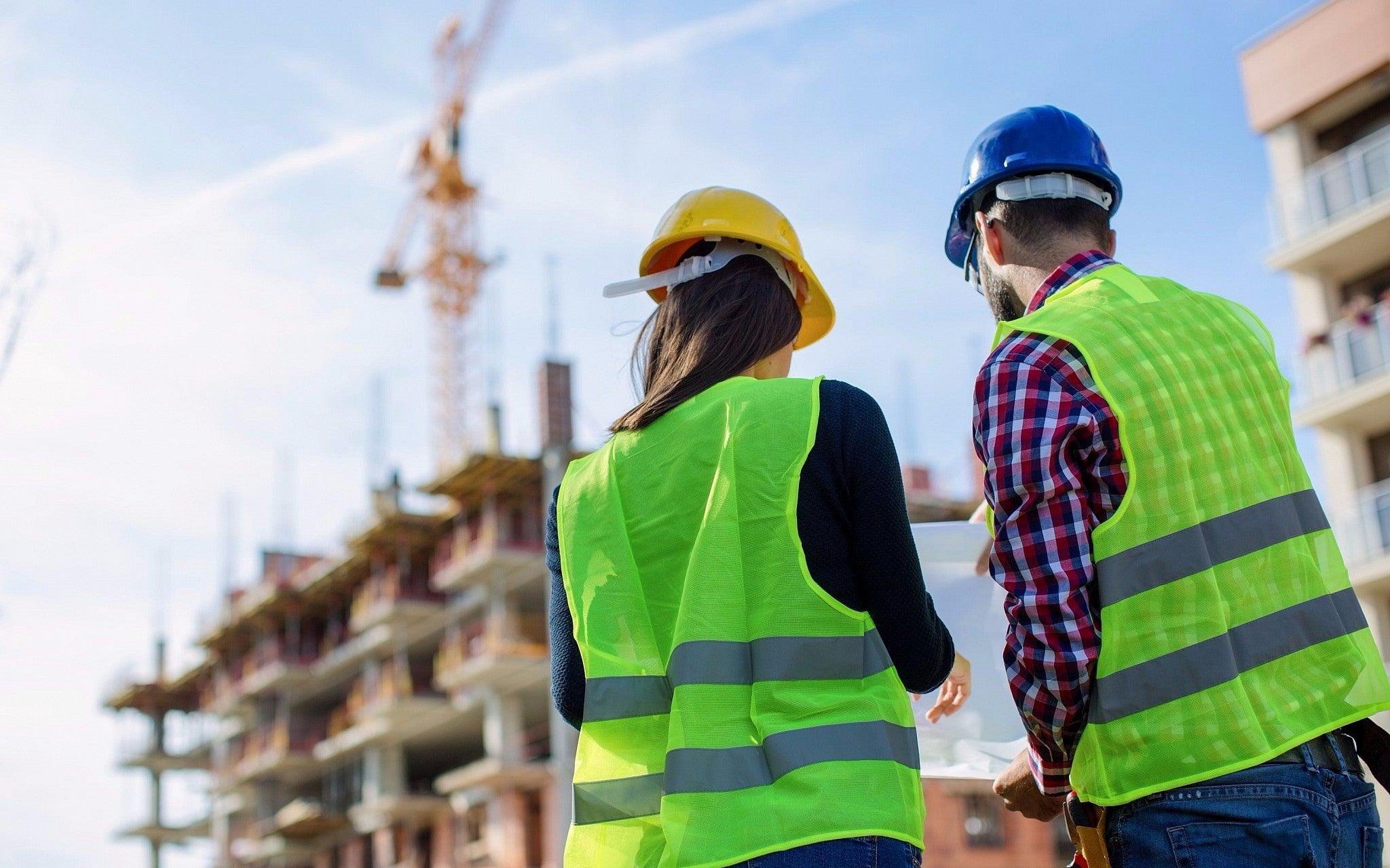
Take for example the construction industry. Workers are often exposed to hazards like falling objects, heavy machinery, and unstable structures. A standard helmet provides protection against impact, but a smart helmet equipped with sensors can do much more as it can monitor fatigue levels, detect unsafe environmental conditions, and even alert supervisors in real time if a worker falls. This proactive approach reduces the chances of accidents and improves response time in emergencies.
Similarly, smart safety vests equipped with GPS trackers and biometric sensors can track a worker’s exact location, monitor their heart rate, and detect whether they are in high-risk zones. These innovations transform PPE into data-driven tools that don’t just protect workers physically but also anticipate dangers before they happen.
Key Innovations in Smart Safety Equipments
The rise of smart technologies has led to groundbreaking advancements in workplace protection. Here are some of the most impactful innovations shaping the future:
- Smart Helmets – Equipped with cameras, sensors, and communication tools, smart helmets can provide live feeds to supervisors, track worker movements, and identify hazardous conditions like gas leaks or high temperatures.
- Wearable Sensors – Small, lightweight sensors can be attached to gloves, jackets, or belts to monitor vital signs such as heart rate, blood oxygen levels, and body temperature. These are particularly useful in industries where heat stress, fatigue, or toxic exposure is a concern.
- Connected Safety Jackets – Beyond visibility, today’s safety jackets can include GPS trackers, proximity sensors to warn about nearby moving equipment, and even panic buttons for emergencies.
- Augmented Reality (AR) Glasses – AR glasses are being used for real-time hazard detection and training. Workers can view step-by-step guidance while keeping their hands free, improving both safety and productivity.
- Smart Footwear – Safety shoes are evolving too, with shock sensors that alert supervisors in case of sudden slips, trips, or falls. Some advanced models even track posture to prevent injuries caused by fatigue.
- AI and IoT Integration – Smart PPE is becoming part of a broader Internet of Things (IoT) ecosystem. Data from helmets, gloves, and jackets is collected, analyzed, and used to predict risks before they escalate. Artificial intelligence further refines this data to suggest safer practices or identify recurring hazards.
Challenges and Considerations in Adopting Smart Safety
While smart safety is revolutionary, it’s not without challenges. The integration of technology into workplaces brings up several important considerations:
- Cost of Implementation – Smart safety gear is significantly more expensive than traditional PPE. For small and medium-sized enterprises, this cost can be a barrier to adoption.
- Training and Adaptation – Workers must be trained not only to wear these smart devices but also to understand and respond to the data they provide. Resistance to change is natural, especially among older workers who may be less tech-savvy.
- Data Privacy Concerns – Monitoring workers through sensors and GPS devices can raise questions about privacy. Employers need to ensure that data collected is used only for safety and not for micromanagement.
- Durability and Reliability – Traditional safety gear is valued for its toughness and simplicity. Adding electronics can sometimes make equipment more fragile or susceptible to environmental damage. Ensuring durability while maintaining advanced features is a significant challenge for manufacturers.
- Maintenance and Upgrades – Unlike traditional equipment, smart devices require regular software updates, charging, and maintenance. Companies must have systems in place to ensure that equipment remains functional at all times.
The Future of Workplace Safety
Despite the challenges, the benefits of smart safety solutions far outweigh the drawbacks. With industries becoming increasingly hazardous, investing in smarter protection is more of a necessity than a luxury. Moreover, as technology advances, costs are likely to drop, making it easier for even smaller businesses to adopt these tools.
Governments and regulatory bodies are also recognizing the importance of digital safety measures. In the future, compliance standards may evolve to include the use of smart gear, ensuring that workers are protected not only physically but also through data-driven insights.
In the long run, the integration of smart technology with traditional safety equipments will create safer, more efficient, and more productive workplaces. Employers will gain peace of mind knowing that their workers are better protected, while workers themselves will feel more secure knowing their equipment is actively watching out for them.
Conclusion
The future of workplace safety lies in the fusion of tradition and innovation. While traditional gear provides the physical barrier between workers and hazards, smart safety solutions elevate that protection to new levels by predicting, detecting, and preventing risks in real time. From helmets that monitor fatigue to jackets with GPS tracking, the possibilities are endless.
Though challenges like cost, training, and privacy must be addressed, the movement toward smarter, technology-driven safety is unstoppable. For industries that rely heavily on worker safety, adopting these innovations is not just about keeping up with trends, it’s about safeguarding lives.
Technology is not replacing the human element in safety; rather, it is enhancing it. As workplaces continue to evolve, smart safety solutions will undoubtedly play a central role in creating environments where workers are not only protected but also empowered.


